
Disclaimer:
The information on this website is for general guidance only and does not constitute financial or investment advice. Always do your own research and seek personalised advice from a qualified financial adviser or mortgage adviser before making financial decisions.
Key Takeaways
- Loans with less than 20% deposit are harder to get and more expensive
- Loans above 80% LVR may be possible, but approval is limited by bank high-LVR capacity, exemptions, and lender criteria
- RBNZ lists some construction and recently completed new-build lending as LVR-exempt, but lender criteria still apply
- First Home Loan scheme allows 5% deposit for eligible buyers
- Low equity fees include LEM (added to interest rate) or LEP (upfront fee)
Loans requiring less than 20% deposit are significantly more difficult and expensive to obtain. However, options do exist for first home buyers who haven't saved a full deposit. Understanding your options and the associated costs can help you compare pathways and decide what advice you need.
Why Get a Low Deposit Loan?
A possible advantage of a low deposit loan is that it may help some buyers enter the property market sooner. With a 10% deposit instead of 20%, you could purchase your first home years earlier than if you waited to save the traditional deposit amount.
Lenders must assess affordability and responsible lending obligations, and they may use their own servicing buffers or test rates as part of credit policy.
Fees for Low Deposit Loans
Low Equity Margin (LEM)
An additional 0.25% to 1.5% added to your interest rate for loans over 80% LVR.
Low Equity Premium (LEP)
An upfront fee based on your loan size, charged by some banks instead of LEM.
Other Costs to Consider
- Legal Fees: Variable by solicitor - shop around for the best rates
- Registered Valuation: From $850+ depending on property value, size, and location
Achieving 80% Lending
If you can reduce your borrowing from 85% to 80% LVR, you'll access better interest rates and avoid low equity fees. Even a small increase in your deposit can make a significant difference to your ongoing costs.
What Banks Look For ("Getting to Yes")
Strong Applications Feature:
- Excellent credit history with no defaults or missed payments
- Saved deposit (not borrowed) demonstrating financial discipline
- Strong financial management and good account conduct
- Significant monthly surplus after all expenses
- Minimal existing debt (credit cards, personal loans, BNPL)
- Stable, long-term employment history
Need personalised guidance?
Chat with a First Home Buyers Club affiliated mortgage adviser - no obligation!
Have a question about this?
Post it in the First Home Buyers Club forum — get answers from the community and industry professionals.
Low Deposit Options
First Home Loan (Kainga Ora)
Requirements:
- 5% non-borrowed deposit
- Must be a first home buyer
- Income limits: $95,000 (single) or $150,000 (with dependents or multiple buyers)
- Must be NZ citizen or permanent resident
- Property must be your primary residence
- Cannot own other properties
Learn More About First Home Loan →
New Build (10% Deposit)
RBNZ lists construction loans, including buying a newly built home from the developer within 6 months of completion, as an LVR exemption. This can make new construction a useful option for some first home buyers who have not saved a full 20% deposit, but the deposit accepted still depends on the lender, the property, and the wider application.
While you still need to meet affordability criteria, the 10% deposit option for new builds can get you into your first home sooner. Learn more about new builds →
Have a first-home-buyer question?
Browse related forum discussions
Public forum questions are searchable, with answer previews for visitors and full discussions for free members.
Frequently Asked Questions
Need personalised guidance?
Chat with a First Home Buyers Club affiliated mortgage adviser - no obligation!
Have a question about this?
Post it in the First Home Buyers Club forum — get answers from the community and industry professionals.
Related Articles

How Much Deposit Do I Need as a First Home Buyer?
Comprehensive guide on deposit options from 5% to 20% for first-home buyers. Learn about First Home Loans, YouOwn, and new build options.
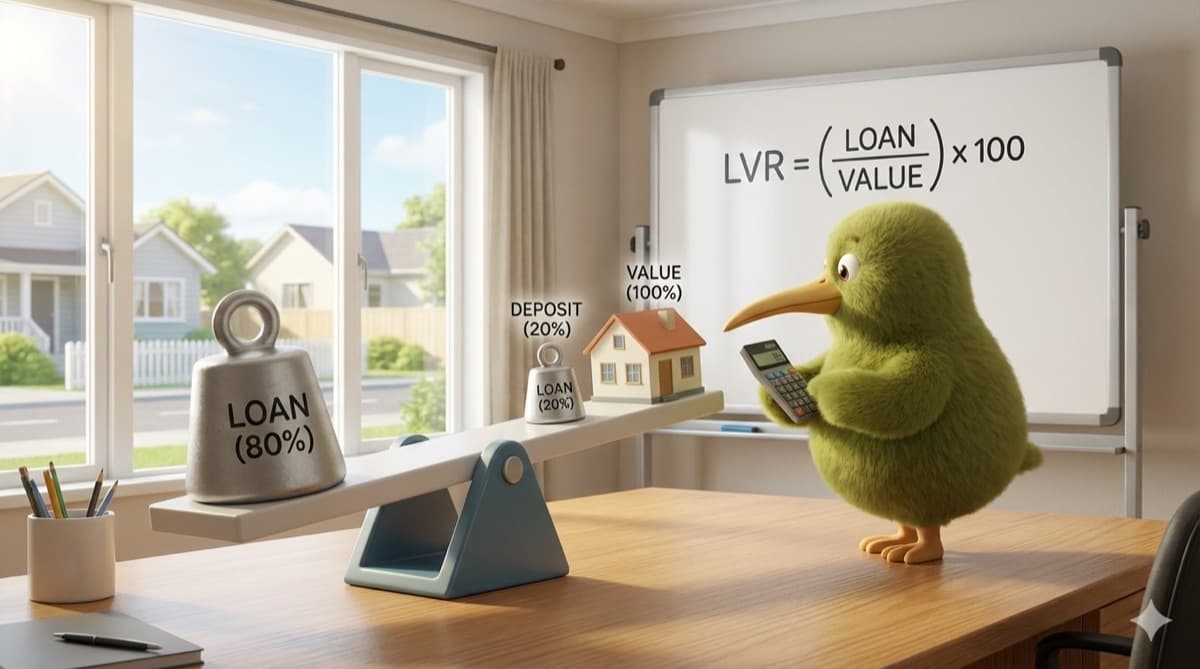
Understanding Loan-to-Value Ratio (LVR) and How It Affects Your Deposit
Essential guide for first-home buyers on understanding LVR restrictions in New Zealand. Learn how loan-to-value ratios affect your deposit, lending limits, and mortgage approval.

How to Supercharge Your First Home Deposit in New Zealand
Learn proven strategies to accelerate your savings and reach your deposit goal faster with KiwiSaver and smart saving techniques.