
Disclaimer:
The information on this website is for general guidance only and does not constitute financial, legal, or investment advice. Seek personalised advice from an appropriately qualified professional before making decisions.
Key Takeaways
- Research the developer and their track record
- Understand exactly what you're buying
- Get your lawyer to review the contract before signing
- Investigate the land, location and council approvals
- Get your mortgage sorted and understand the risks of delayed settlement
- Arrange an independent building inspection before settlement
- Understand your warranties, ongoing costs and responsibilities
Buying your first home is a major milestone, and choosing a new build can have some real advantages. Modern layouts, improved insulation, contemporary finishes and potentially lower maintenance requirements can make a brand-new home particularly attractive to first-home buyers.
Depending on the property, lender and your circumstances, a new build can also provide different mortgage and deposit options. But buying a new build is not necessarily as straightforward as purchasing an existing home. If you are buying off the plans, you may be committing to a property that has not yet been built, relying on plans, specifications and contractual promises about what will ultimately be delivered.
Even when the property is already completed, there are important checks to carry out before you commit. Good due diligence can help you understand the property, the people behind it, the legal structure, the finance risks and what happens if something does not go to plan.
Here are seven areas first-home buyers should investigate before purchasing a new build in New Zealand.
1. Research the developer and their track record
When you buy an existing home, you can walk through the property and see much of what you are purchasing. Buying off the plans is different. You are relying on the developer and builder to deliver the home you agreed to purchase, potentially many months after you sign the contract.
Start by looking at the developer's previous projects. Have they completed similar developments? What do those homes look like now? If possible, visit completed projects and talk to owners about construction quality, delays, communication and how defects were handled after settlement.
It is also worth understanding who is actually building the homes. The developer and construction company may be different businesses. Look into the history and experience of both, and ask what protections apply if the developer or builder experiences financial difficulty before the project is completed.
Past performance cannot guarantee a future outcome, but a clear track record gives you more information than relying on marketing material alone.
2. Understand exactly what you're buying
Marketing brochures, artist impressions and show homes can help you picture the finished property, but your decision should be based on the detailed plans, specifications and contract.

Ask for the floor plan, dimensions, schedule of finishes and a clear list of what is included in the purchase price. Check storage, outdoor space, parking, heating, appliances, fencing, landscaping, window coverings and other items that may be important to you.
If the home is not yet built, find out what the developer is allowed to change during construction. Some contracts permit substitutions of materials, fixtures or finishes and may allow changes to plans within certain limits. Your lawyer can explain how much flexibility the developer has and what rights you have if the finished property differs from what you expected.
For townhouses and apartments, also investigate shared walls, acoustic performance, privacy, common areas and who will maintain shared driveways, landscaping, retaining walls or other infrastructure.
Visit the site and surrounding neighbourhood if you can. Think about sunlight, traffic, parking, public transport and what may eventually be built on neighbouring land.
3. Get your lawyer to review the contract before signing
A new-build sale and purchase agreement can be more complex than a standard agreement for an existing home, particularly when you are buying off the plans. Have an experienced property lawyer review the agreement before you sign it.

Your lawyer should explain your obligations, the developer's obligations, how the deposit is handled, what happens if construction is delayed, what changes the developer can make and when either party may be able to cancel.
Pay particular attention to any sunset clause. This generally sets a date or event by which the development must reach a specified milestone. The wording matters: you need to understand who can exercise the clause, whether the date can be extended and what happens to your deposit if the agreement ends.
Also ask where your deposit will be held and under what circumstances it can be released. Do not assume every development uses the same deposit arrangements.
Your lawyer should review the proposed title, easements, covenants and any shared-property arrangements. If the property is unit title, understand the body corporate structure, proposed levies, insurance and operational rules.
4. Investigate the land, location and council approvals
A brand-new home can still be affected by land and location issues. This is especially important for developments involving substantial earthworks, retaining walls, sloping sites or complex stormwater arrangements.
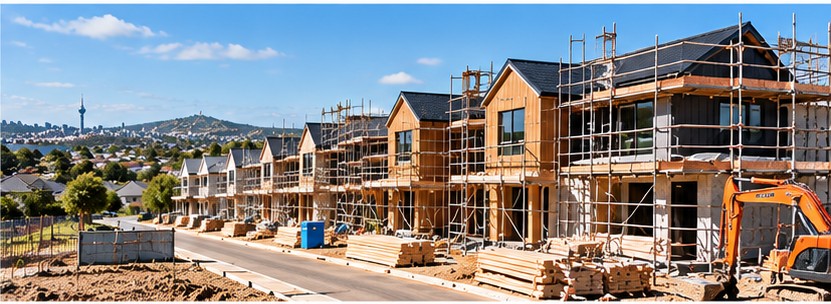
Consider obtaining a LIM and reviewing the available council property information. Depending on the development, you may also want specialist advice about geotechnical conditions, drainage, retaining structures or other site-specific risks.
If you are buying before completion, establish which resource consents, building consents and subdivision approvals are already in place and which remain outstanding. Ask what happens if an approval is delayed or requires changes to the development.
Look beyond the boundaries of the property too. Vacant neighbouring sites may eventually be developed, potentially affecting outlook, sunlight, privacy, parking or traffic. Council planning information can help you understand what development may be possible nearby, although it cannot tell you exactly what will eventually be built.
5. Get your mortgage sorted and understand the risks of delayed settlement
Financing a new build can be different from financing an existing home, particularly if settlement is many months away. Talk to a mortgage adviser early so you understand how lenders may treat the particular type of new build you are considering.

A mortgage pre-approval is not an indefinite promise to lend. If you sign an off-the-plan agreement long before completion, your original approval may expire and your position may need to be reassessed closer to settlement.
During that time your income, expenses, employment or family circumstances could change. Interest rates and lender policies can change too. A lender may also require an updated or registered valuation of the completed property.
This creates an important risk: you may remain legally committed to the purchase even if the bank is later prepared to lend less than you originally expected. Before signing, understand what additional cash you could access if the valuation is lower, lending criteria change or your circumstances change.
If you intend to use KiwiSaver towards the purchase, start the process early and make sure the timing of any withdrawal works with the deposit and settlement requirements in your agreement. Eligibility and lender requirements should be checked for your individual circumstances.
Need personalised guidance?
Chat with a First Home Buyers Club affiliated mortgage adviser - no obligation!
Have a question about this?
Post it in the First Home Buyers Club forum — get answers from the community and industry professionals.
6. Arrange an independent building inspection before settlement
It is easy to assume a brand-new home will not need a building inspection. New properties can still have incomplete work, defects or finishes that do not match the agreed specification.
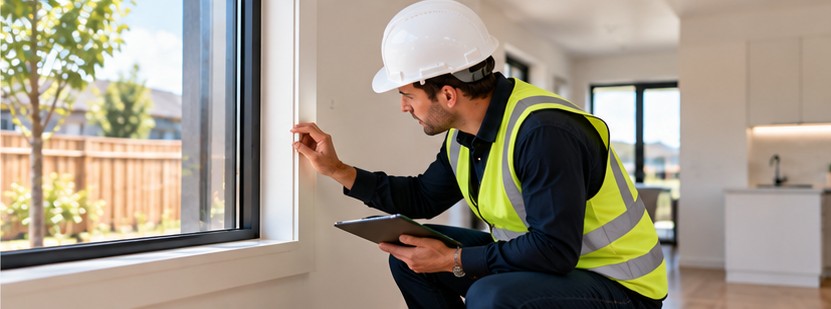
Where your contract allows it, arrange an independent pre-settlement inspection by a suitably qualified building inspector. They can identify visible defects and incomplete items and recommend specialist investigation where appropriate.
Check windows and doors, flooring, paint and finishes, plumbing fixtures, ventilation, heating, drainage and the general standard of workmanship. Confirm that the agreed appliances, fittings and other inclusions have been installed.
Your lawyer should also confirm that the required council and contractual completion requirements have been satisfied, including the position regarding the Code Compliance Certificate. A council sign-off and an independent building inspection serve different purposes, so one should not automatically be treated as a substitute for the other.
Record defects in writing and with photographs, and follow the process in your contract for raising them. Do not assume that identifying a defect automatically allows you to delay settlement or withhold money; obtain legal advice about your rights under the agreement.
7. Understand your warranties, ongoing costs and responsibilities
Before settlement, find out what warranties and guarantees apply, how defects should be reported and who is responsible for resolving problems after you move in.
New residential building work in New Zealand can carry statutory consumer protections as well as any additional building guarantee supplied with the development. The exact protections available to you can depend on the structure of the purchase and the work involved, so ask your lawyer to explain what applies to your home.
If the development advertises an additional building guarantee, check that your specific property is actually covered, understand what the guarantee includes and confirm any steps required to transfer or activate it.
New does not mean maintenance-free. Budget for rates, insurance, utilities and routine maintenance. Townhouses and apartments may also have body corporate levies, residents' association fees or shared maintenance costs.
Ask about the maintenance requirements for cladding, roofing, drainage, landscaping and other building components. Following the required maintenance schedule can be important both for protecting the home and preserving product warranties.
Other key things first-home buyers should know about new builds
Not all new-build purchases work the same way. Buying off the plans usually means agreeing to buy before construction is complete and paying the balance at settlement. A completed new build can be inspected before you commit. A house-and-land package may involve separate land and construction arrangements, progress payments and different finance requirements.
There is also no single deposit requirement that applies to every new build. The contractual deposit requested by the developer is not necessarily the same as the total contribution your lender will require. Your mortgage adviser and lawyer can help you coordinate the two.
Construction delays are another practical consideration. If completion moves out, you may need to extend a rental arrangement or organise temporary accommodation, and your finance may need to be reassessed. Ask whether the advertised completion date is contractual or indicative and what extension rights are available to the developer.
Finally, think about the long-term suitability of the home. Modern insulation, double glazing and efficient heating can be valuable, but also consider storage, parking, outdoor space, future household needs, body corporate or residents' association costs and the likely resale market for the property.
Your new home starts with good preparation
Buying a new build can be a great way for a first-home buyer to enter the property market, particularly if you value a modern, lower-maintenance home. The key is to look beyond the presentation material and understand exactly what you are committing to.
Research the developer, have the contract reviewed, investigate the site and title, understand your finance risk and inspect the finished property before settlement. Getting your property lawyer and mortgage adviser involved early can help you identify issues before they become expensive surprises.
The First Home Buyers Club is here to help you navigate the journey into home ownership, from understanding your deposit and mortgage options to finding a property and preparing for settlement. You can also explore the FHBC New Build Homes Directory to discover new-build opportunities around New Zealand.
Have a first-home-buyer question?
Browse related forum discussions
Public forum questions are searchable, with answer previews for visitors and full discussions for free members.
Frequently Asked Questions
Need personalised guidance?
Chat with a First Home Buyers Club affiliated mortgage adviser - no obligation!
Have a question about this?
Post it in the First Home Buyers Club forum — get answers from the community and industry professionals.
Related Articles

What First Home Buyers Need to Know About Buying a New Build in New Zealand
A practical NZ guide to buying a new build as a first home buyer, covering turnkey homes, off-the-plan purchases, apartments, construction loans, low-deposit lending, and developer due diligence.

New Builds: Construction Loan vs Turnkey – What First Home Buyers Need to Know
Complete guide for first-home buyers comparing construction loans and turnkey packages in New Zealand. Learn about costs, risks, and which option is right for you.

Making an Offer
Step-by-step guide for first-home buyers on making an offer on a house in New Zealand. Learn about finances, conditions, negotiations, and the sale process.